
Disclosure: This article may contain affiliate links. This means we may earn a commission at no extra cost to you. As an Amazon Associate, we earn from qualifying purchases. We may also recommend products and services through other affiliate programs.

Table of Contents
Introduction
The future of wearables 2030 represents a major shift from simple fitness tracking to intelligent systems that actively shape how we live, heal, and perform. Wearable devices are no longer just accessories that count steps or monitor sleep. By 2030, they are expected to function as real-time health companions, powered by artificial intelligence, advanced sensors, and seamless integration with our daily environments.
This article explores where wearable technology is heading, how it will impact health and lifestyle, and why wearables will become one of the most influential technologies of the next decade.
1. Why Wearables Are Entering a New Era
Early wearables focused on basic metrics like steps, calories, and heart rate. While useful, they offered limited insight. The future of wearables 2030 is driven by three major forces:
- Artificial intelligence
- Advanced biosensor
- Cross-platform integration
Together, these innovations allow wearables to move from passive tracking to active decision-making support, changing how users interact with their health and environment.
👉 wearable technology fitness wellness : The Future of Health & Wellness
2. The Role of AI in the Future of Wearables
Artificial intelligence will be the foundation of wearable evolution. Instead of simply displaying raw data, future wearables will interpret patterns, predict outcomes, and offer personalized recommendations.
By 2030, AI-powered wearables will:
- Predict fatigue and illness before symptoms appear
- Adapt health recommendations dynamically
- Learn individual behavioral patterns over time
This transformation will turn wearables into personal health advisors, not just tracking tools.
👉 AI Wearable Health Devices: The Future of Smart Wellness in 2026 and Beyond
3. Health & Medical Wearables in 2030
Healthcare will experience the most significant impact from wearable innovation. Medical-grade sensors will enable continuous, non-invasive monitoring of vital health metrics.
Expected advancements include:
- Continuous glucose trend monitoring
- Early detection of cardiovascular irregularities
- Remote patient monitoring at scale
- Personalized preventive healthcare plans
Wearables will increasingly support doctors by providing long-term health data rather than isolated clinical snapshots
👉 Non Invasive Blood Glucose Monitor: The Future of Pain-Free Glucose Tracking (2025 Guide)
👉 World Health Organization – Digital Health
4. Lifestyle & Everyday Wearable Experiences
Beyond healthcare, the future of wearables 2030 will reshape daily life. Wearables will influence how people sleep, work, exercise, and recover.
Lifestyle improvements may include:
- Adaptive sleep environments based on biometric feedback
- Real-time stress regulation through guided interventions
- Personalized fitness recovery protocols
- Cognitive performance optimization
Wearables will become subtle, always-on companions that enhance daily comfort and productivity.
👉 Wearable Wellness Devices: Your Next-Level Fitness Companion
5. Smart Environments and Wearable Integration
As wearables evolve, they will no longer function in isolation. Instead, they will serve as inputs for smart environments, allowing homes and workplaces to respond dynamically to the human body.
Examples include:
- Lighting adjustments based on circadian rhythm data
- Temperature regulation driven by sleep stages
- Automated relaxation environments during stress periods
This level of integration supports both health optimization and convenience.
👉 MIT Technology Review – Wearable Technology
6. Ethical, Privacy, and Data Challenges
With greater capability comes greater responsibility. The future of wearables 2030 raises important questions around:
- Data ownership
- Long-term biometric storage
- AI transparency
- Health data security
While technology will advance rapidly, regulation and ethical standards must evolve alongside it to protect users.
trusted resource : Electronic Frontier Foundation – Digital Privacy
7. Who Will Benefit Most from Future Wearables?
Future wearables will not be limited to athletes or tech enthusiasts. Key beneficiaries include:
- Individuals managing chronic conditions
- Aging populations seeking independence
- Professionals optimizing productivity
- Health-conscious users focused on longevity
As devices become more intuitive, adoption barriers will continue to decrease.
👉 Top Wearables for Seniors: Fitness and Health in One Device
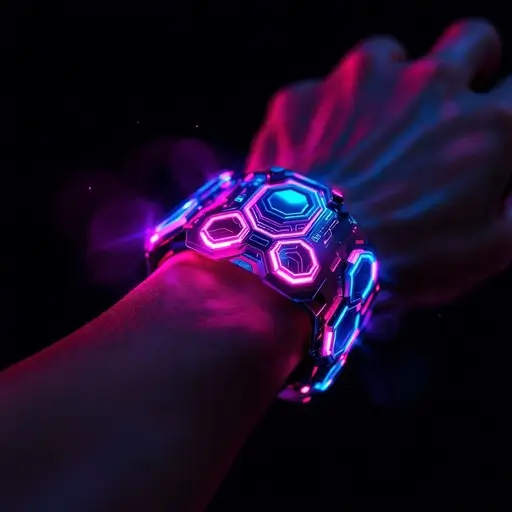
8. Is the Future of Wearables Worth It?
Yes — but with realistic expectations.
The future of wearables 2030 is not about replacing healthcare professionals or human judgment. Instead, it is about empowering individuals with better insight, earlier detection, and smarter lifestyle choices.
For users willing to engage responsibly, wearables will offer meaningful, measurable value.
9. FAQs
What is the future of wearables 2030?
It refers to the expected evolution of wearable devices into AI-driven health and lifestyle companions by 2030.
Will wearables replace doctors?
No. Wearables will support healthcare decisions, not replace medical professionals.
Are future wearables safe?
Yes, when used responsibly and supported by strong privacy regulations.
Will wearables become medical devices?
Many wearables will reach medical-grade accuracy by 2030.
Will wearables be affordable?
Prices are expected to decrease as adoption increases.
The future of wearable technology is approaching faster than many expect. If you want to stay ahead of the curve, exploring today’s wearable innovations is the smartest place to start.
👉 Discover expert-reviewed wearable health and wellness devices and see how future technology is already shaping everyday life.(on amazon)
Pingback: AI Fitness: How Artificial Intelligence Is Redefining Training, Wearables, and Health in 2026