
Disclosure: This article may contain affiliate links. This means we may earn a commission at no extra cost to you. As an Amazon Associate, we earn from qualifying purchases. We may also recommend products and services through other affiliate programs.
What Is AI Fitness and Why It Matters in 2026
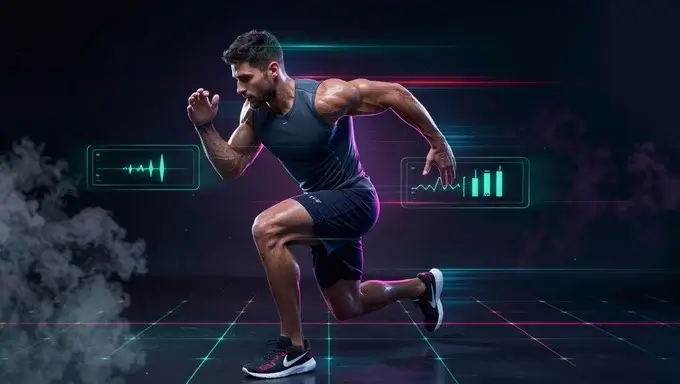
AI fitness refers to the use of artificial intelligence to personalize, optimize, and continuously improve fitness training, recovery, and overall wellness. Unlike traditional fitness programs that rely on generic plans, AI-driven systems analyze user data in real time to adapt workouts based on performance, fatigue, recovery, and long-term health patterns.
In 2026, AI fitness is no longer experimental. It is actively reshaping how people train at home, in gyms, and through wearable technology. From smart fitness trackers to AI-powered coaching apps, this technology allows users to train smarter—not harder—by making data-backed decisions about their bodies
👉 Ready to explore AI-powered tools?
Discover the latest AI-enabled fitness wearables and smart training devices on Amazon and start building a smarter fitness routine today.
Table of Contents
How AI Fitness Works Behind the Scenes
AI systems combine several technologies to deliver intelligent training experiences. These include biometric sensors, machine learning models, and cloud-based analytics platforms.
Wearable devices collect data such as heart rate, movement patterns, sleep quality, and recovery metrics. AI algorithms then process this information to identify trends and predict optimal training loads. Over time, the system learns what works best for each individual, creating a continuously evolving fitness experience.
Unlike static workout plans, AI fitness adapts daily. If your sleep quality drops or stress levels rise, the system can recommend lighter training or recovery-focused sessions—helping reduce injury risk and burnout. (best wearable fitness trackers 2026)
👉 AI Wearable Health Devices: How Smart Wearables Are Transforming Personal Health in 2026
Key Benefits of AI for Everyday Users
Personalized Training at Scale
AI fitness removes guesswork. Every workout, rest day, and progression plan is customized based on real data—not assumptions.
Smarter Recovery and Injury Prevention
By monitoring fatigue and recovery markers, AI fitness systems help users avoid overtraining and improve long-term consistency.
Data-Driven Motivation
Seeing measurable progress through AI-generated insights increases adherence and motivation, especially for beginners.
Accessibility
AI fitness makes personalized coaching available to users who may not have access to personal trainers.
Tracking more than just weight matters. See how the Renpho Smart Scale for home use helps you monitor fat, muscle, and overall health.
AI and Wearable Technology: A Powerful Combination
AI fit reaches its full potential when paired with wearable technology. Smartwatches, fitness trackers, and smart rings provide the real-time data AI systems need to function accurately.
Modern wearables track metrics such as heart rate variability (HRV), oxygen saturation, sleep stages, and movement efficiency. AI fitness platforms then convert this data into actionable guidance—turning wearables into intelligent training partners rather than simple trackers.(future of wearables 2030)
👉 Harvard Medical School – Wearable Technology
Real-World Use Cases of AI Fitness Today
Home Workouts
AI fitness apps provide adaptive workouts that change based on daily readiness, making home training more effective and safer.
Gym Training
Some smart gym equipment now integrates AI fitness algorithms to adjust resistance, tempo, and rest periods automatically.
Weight Loss & Body Composition
AI fitness systems analyze trends rather than daily fluctuations, offering more accurate guidance for sustainable fat loss.
Corporate & Senior Wellness
AI-driven fitness monitoring is increasingly used in workplace wellness programs and senior health initiatives to track activity and prevent injuries.
👉 Top Wearables for Seniors: Fitness and Health in One Device
AI Fit vs Traditional Fitness Training
| AI Fitness | Traditional Fitness | Feature |
|---|---|---|
| Highly personalized | Limited | Personalization |
| Real-time adaptation | Static plans | Adaptability |
| Automated & predictive | Manual | Recovery Tracking |
| Scales to millions | One-on-one | Scalability |
AI fitness does not eliminate trainers-it enhances training by adding intelligence and consistency that humans alone cannot replicate.
👉 Ready to explore AI-powered fitness tools?
Discover the latest AI-enabled fitness wearables and smart training devices on Amazon and start building a smarter fitness routine today.
Challenges, Accuracy, and Privacy Considerations
Despite its benefits, AI fitness comes with challenges.
Data Accuracy
AI fitness systems depend on accurate sensor data. Poor device placement or inconsistent use can affect results.
Privacy Concerns
Users should choose platforms that clearly explain how fitness and health data are stored and protected.
Learning Curve
Some users may need time to trust AI-driven recommendations over traditional routines.
trusted reference :👉 World Health Organization – Digital Health
The Future of AI Fit Beyond 2026
AI fit is expected to integrate more deeply with healthcare, nutrition planning, and mental wellness. Future systems may predict injury risks weeks in advance, optimize training cycles automatically, and integrate directly with medical professionals when needed.
As wearable sensors become more advanced, AI fitness will continue moving from performance enhancement toward preventive health optimization.
Is AI Fit Worth It?
For most users, yes.
AI fitness is especially valuable if you:
- Want personalized workouts without a personal trainer
- Use wearable devices regularly
- Care about long-term health and injury prevention
While not perfect, AI fitness offers a smarter, more sustainable approach to training compared to generic fitness programs.
Frequently Asked Questions (FAQs)
1. Is AI fitn suitable for beginners?
Yes. AI fitness adapts workouts based on skill level and progress.
2. Can AI fit replace a personal trainer?
It can supplement or partially replace trainers, but human coaching still has value.
3. Does AI fit require wearables?
Most advanced AI fitness systems perform best with wearable data.
4. Is AI fit accurate?
Accuracy improves over time as the system learns user patterns.
5. Is AI fit safe?
Yes, when used correctly and combined with common-sense training principles.
Final Thoughts
AI fit represents a major shift in how people approach training, recovery, and long-term health. By combining artificial intelligence with wearable technology, AI fitness empowers individuals to train smarter, stay consistent, and make informed decisions about their bodies.
👉 Ready to explore AI-powered fitness tools?
Discover the latest AI-enabled fitness wearables and smart training devices on Amazon and start building a smarter fitness routine today.
Pingback: Best Wearable Fitness Trackers (2026) Reviewed & Compared
Pingback: Smart Health Applications: Revolutionizing Personal Wellness