
Disclosure: This article may contain affiliate links. This means we may earn a commission at no extra cost to you. As an Amazon Associate, we earn from qualifying purchases. We may also recommend products and services through other affiliate programs.
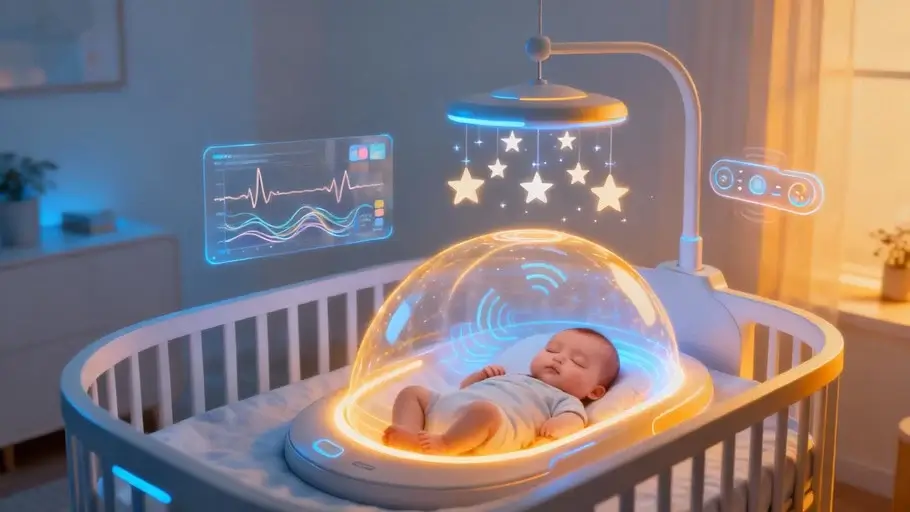
Table of Contents
Introduction
Becoming a parent means constant concern about your baby’s sleep, breathing, and overall safety. This is where baby watch devices are transforming modern parenting. Unlike traditional baby monitors, today’s smart baby wearables track vital signs like sleep patterns, breathing motion, and even potential distress — all in real time.
In this comprehensive guide, we’ll explore how baby watch devices work, what they monitor, their accuracy, safety considerations, and whether they’re truly worth it for parents in 2026.
What Are Baby Watch Devices?
Baby watch devices are smart wearable or contactless monitoring systems designed specifically for infants. They track physiological and behavioral indicators such as sleep cycles, breathing motion, heart rate trends (in some models), and environmental conditions.
Unlike kids’ fitness trackers or general wearables, baby watch devices are parent-controlled, passive, and safety-focused.
How Baby Watch Devices Work
Most baby watch devices rely on:
- Motion sensors (to detect breathing movement)
- Sleep pattern analysis using AI algorithms
- Bluetooth or Wi-Fi connectivity
- Companion mobile apps for parents
Some advanced models integrate non-invasive monitoring technologies, similar to those used in modern medical-grade wearables.
What Can a Baby Watch Monitor?
Depending on the device:
- Sleep duration & quality
- Breathing motion patterns
- Restlessness or abnormal movement
- Room temperature & humidity
- Alerts for unusual inactivity
These insights help parents understand infant sleep health without physical interference.
Baby Watch vs Traditional Baby Monitors
| Feature | Baby Watch Devices | Traditional Monitors |
|---|---|---|
| Wearable | ✅ Yes | ❌ No |
| Sleep Tracking | ✅ Advanced | ❌ Basic |
| Breathing Alerts | ✅ Yes | ❌ Rare |
| Mobile App | ✅ Smart Insights | ❌ Live Feed Only |
Are Baby Watch Devices Safe for Infants?
When properly designed, baby watch devices are:
- Lightweight
- Wireless (low-energy signals)
- Made with infant-safe materials
⚠️ Parents should always choose devices that meet international safety standards and avoid uncertified products.
Accuracy of Baby Watch Devices
Baby watch devices are not medical diagnostic tools, but modern AI-powered sensors offer high reliability for:
- Detecting sleep phases
- Identifying breathing irregularities
- Recognizing prolonged inactivity
📌 Accuracy improves when devices are used exactly as instructed.
Benefits of Using Baby Watch Devices
Peace of mind for parents
Better understanding of infant sleep behavior
Early awareness of irregular breathing
Reduced nighttime anxiety
Data-driven parenting decisions
Limitations & Risks Parents Should Know
- False alerts may occur
- Over-reliance can increase parental anxiety
- Not a substitute for medical supervision
- Battery dependence
Who Should Use Baby Watch Devices?
Ideal for:
- First-time parents
- Parents of premature infants (with doctor guidance)
- Families seeking sleep insights
- Tech-savvy households
Baby watch devices are part of the broader evolution of wearable sleep technology, extending advanced monitoring concepts into infant care.
How Baby Watch Devices Fit into Wearable Health Technology
They belong to the same ecosystem as:
- Wearable blood pressure monitors
- ECG wearable devices
- AI-powered sleep wearables
But optimized for passive, infant-safe monitoring.
Baby Watch Devices & Data Privacy
Parents should verify:
- End-to-end encryption
- Local vs cloud storage
- Compliance with child data regulations
📌 Similar concerns are discussed in Wearable Health Data Privacy topics.
Are Baby Watch Devices FDA Approved?
Most baby watch devices are consumer wellness products, not FDA-approved medical devices. This does not mean they are unsafe – only that they are not diagnostic tools.
How to Choose the Right Baby Watch Device
Key criteria:
- Comfort & fit
- Battery life
- Alert accuracy
- App usability
- Brand transparency
Best Use Cases for Baby Watch Wearables
Overnight sleep monitoring
Naptime tracking
Travel & unfamiliar sleeping environments
Can Baby Watch Devices Prevent SIDS?
❌ No device can prevent SIDS.
✅ They may provide early awareness of abnormal patterns but should never replace safe sleep practices.
Battery Life & Comfort Considerations
- Battery life should exceed 12–24 hours
- Soft materials to prevent irritation
- Secure but gentle attachment
Baby Watch Devices for Sleep Tracking
Modern baby watch devices analyze:
- Sleep duration
- Restlessness
- Night wakings
Helping parents optimize routines.
Baby Watch Devices for Breathing Monitoring
Non-invasive motion sensors detect subtle chest movements — similar in concept to adult sleep wearables but adapted for infants.
official infant safe sleep guidelines from the NIH
Integration with Smart Home & Apps
Some devices integrate with:
- Smart home alerts
- Mobile notifications
- Health tracking dashboards
Expert Opinions on Baby Watch Devices
Pediatric experts emphasize:
- Use as supportive tools
- Avoid over-interpretation
- Combine with medical advice
Common Myths About Baby Watch Wearables
❌ “They replace doctors”
❌ “They prevent all risks”
❌ “More data = safer baby”
Is It Worth It? (Honest Verdict)
✔️ Worth it for peace of mind
✔️ Valuable for sleep insights
❌ Not a medical solution
Baby watch devices are tools — not guarantees.
expert infant sleep safety guidance from Mayo Clinic
FAQs About Baby Watch Devices
Q1: Are baby watch devices safe for newborns?
Yes, when designed specifically for infants and used correctly.
Q2: Can baby watch devices detect breathing problems?
They can alert to irregular motion but cannot diagnose conditions.
Q3: Do pediatricians recommend baby watch devices?
As supportive tools, not medical replacements.
Q4: Are baby watch devices better than cameras?
They serve different purposes and often work best together.
Q5: Do baby watch devices use AI?
Many modern models rely on AI-based sleep and motion analysis.
Pingback: Baby Watch Breathing Monitor Accuracy: How Reliable Are Infant Wearable Sensors?
Pingback: Baby Watch vs Baby Monitor: Which Is Safer and Better for Your Baby?
Pingback: Baby Watch Safety Risks: What Parents Must Know Before Using Wearable Baby Monitors