
Table of Contents
Introduction
Non-invasive health monitoring wearables are transforming the way we track our health—without needles, pain, or invasive procedures. In 2026, these smart devices allow users to monitor critical health metrics like blood glucose, heart rate, sleep quality, blood pressure, and stress levels continuously and comfortably. As wearable technology evolves, non-invasive monitoring is becoming the backbone of preventive healthcare, fitness optimization, and daily wellness tracking.
This in-depth guide explains how non-invasive wearables work, what they can (and can’t) do, and whether they’re truly worth adopting today.
What Are Non-Invasive Health Monitoring Wearables?
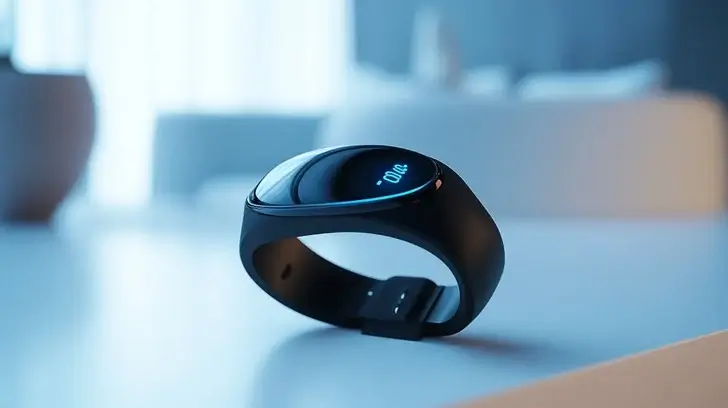
Non-invasive health monitoring wearables are devices that collect physiological data without penetrating the skin. Unlike traditional medical tests that require blood samples or cuffs, these wearables rely on sensors placed on the wrist, finger, chest, or even integrated into clothing.
They are designed for:
- Continuous daily tracking
- Comfort and long-term use
- Early detection and health awareness
Examples include smartwatches, health rings, wearable ECG devices, and advanced sleep trackers.
How Non-Invasive Wearables Work
Modern non-invasive health monitoring wearables combine advanced hardware with AI-powered software.
Optical Sensors (PPG)
Photoplethysmography (PPG) uses light to measure blood flow changes, enabling heart rate, SpO₂, and stress tracking.
Bioimpedance Technology
Used to estimate body composition, hydration, and in experimental models, glucose trends.
AI & Data Modeling
Artificial intelligence refines raw sensor data, improving accuracy over time by learning individual user patterns.
Skin-Based & Thermal Sensors
These track temperature changes, recovery, and sleep cycles—critical for wellness and illness detection.
Key Health Metrics Tracked Without Needles
Blood Glucose (Non-Invasive)
Devices discussed in our non invasive blood glucose monitor guide aim to estimate glucose trends without finger pricks. While not a replacement for medical devices, they support lifestyle awareness and daily pattern tracking.
Heart Rate & ECG Monitoring
Many ECG wearable devices provide on-demand heart rhythm readings, detecting irregularities like AFib and supporting heart health monitoring.
Blood Pressure Monitoring
Advanced wearable blood pressure monitors estimate systolic and diastolic pressure using pulse wave analysis—no cuff required.
Sleep & Recovery Tracking
Using motion, heart rate variability, and temperature, wearable sleep technology analyzes sleep stages, recovery, and overall sleep quality.
SpO₂, Stress & Activity
Non-invasive wearables also track:
- Blood oxygen saturation (SpO₂)
- Stress via HRV
- Steps, calories, and activity intensity
Benefits of Non-Invasive Health Monitoring
- Pain-Free & Comfortable – Ideal for daily, long-term use
- Continuous Tracking – Not just snapshots, but trends
- Early Awareness – Detect changes before symptoms appear
- Preventive Healthcare – Shift from reactive to proactive health
- User-Friendly – Accessible for all ages, including seniors
Accuracy & Limitations You Should Know
While non-invasive health monitoring wearables are improving rapidly, they still have limitations.
Where They Perform Well
- Heart rate trends
- Sleep duration & stages
- Activity tracking
- Stress patterns
Current Limitations
- Glucose and blood pressure are estimates, not diagnoses
- Results can vary by skin tone, movement, and fit
- Not a replacement for medical-grade equipment
Trusted medical organizations like the FDA and NIH emphasize using wearables as support tools, not diagnostic devices.
External references:
Who Should Use Non-Invasive Health Wearables?
These devices are ideal for:
- People managing chronic conditions
- Fitness enthusiasts & biohackers
- Seniors seeking daily health awareness
- Anyone focused on preventive wellness
They empower users with data-driven insights—without medical complexity.
Is Non-Invasive Health Monitoring Worth It?
Yes—with the right expectations.
If you’re looking for:
- Daily health awareness
- Lifestyle optimization
- Early warning signs
Then non-invasive wearables are absolutely worth it. However, they should complement—not replace—professional medical care.
The Future of Non-Invasive Wearables (2026 and Beyond)
The next generation of non-invasive health monitoring wearables will focus on:
- AI-driven predictive analytics
- Medical-grade accuracy improvements
- Integration with healthcare systems
- Personalized health recommendations
The goal is clear: continuous, pain-free, and intelligent health monitoring for everyone.
Non Invasive Wearable Diabetes Monitor: Smarter Glucose Tracking Without Needles 2026 Guide
FAQs
1. Are non-invasive wearables medically accurate?
They are improving rapidly but are best used for trends, not diagnoses.
2. Can non-invasive wearables replace blood tests?
No, but they reduce the need for frequent invasive testing.
3. Are non-invasive glucose monitors reliable?
They track trends but are not FDA-approved replacements for CGMs.
4. Are these devices safe for seniors?
Yes, many are designed specifically with seniors in mind.
5. Do doctors trust wearable health data?
Increasingly yes—especially for long-term trend analysis.
If you’re exploring smarter ways to track your health without discomfort, non-invasive wearables are a powerful place to start.
👉 Explore detailed reviews and guides on WearableWell to find devices that fit your lifestyle and health goals.
Pingback: Baby Watch Devices: Smart Wearables for Infant Sleep, Breathing & Safety Monitoring (2026 Guide)
Pingback: Non-Invasive Glucose Monitoring Accuracy (2026): Are Needle-Free Wearables Reliable?
Pingback: Limitations of Non-Invasive Health Monitoring Wearables (2026): What They Still Can’t Do
Pingback: Are Non-Invasive Wearable Health Devices Reliable for Medical Use? (2026 Evidence-Based Guide)
Pingback: Continuous Health Monitoring Wearables (2026): Real-Time Health Tracking Explained
Pingback: Continuous Heart Monitoring Wearables (2026): ECG & HRV Explained for Accurate Heart Tracking
Pingback: Continuous Blood Pressure Monitoring Wearables (2026): Accuracy, Technology & Future Explained