

Table of Contents
What Is a Best Non-Invasive Wearable Diabetes Monitors?
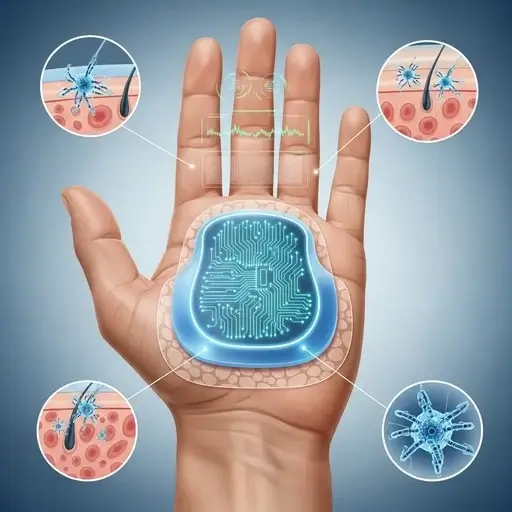
A non invasive wearable diabetes monitor is a wearable health device designed to track blood glucose levels without finger-prick tests or implanted sensors. Instead of drawing blood, these devices aim to estimate glucose levels using advanced sensor technologies, AI algorithms, and biometric signals collected from the skin.
Unlike traditional CGMs (Continuous Glucose Monitors), non invasive systems promise:
- Pain-free glucose tracking
- No consumable sensors
- Continuous monitoring through wearables like watches, bands, or patches
This innovation represents one of the most ambitious goals in wearable health technology.
Best Wearable Fitness Trackers (2026)
Why the Demand for Needle-Free Glucose Monitoring Is Growing
Millions of people worldwide live with diabetes or prediabetes. Traditional glucose monitoring often involves:
- Finger-stick discomfort
- Recurring sensor costs
- Skin irritation from invasive CGMs
A non invasive wearable diabetes monitor could dramatically improve compliance, especially for:
- Older adults
- Children and teens
- People with prediabetes
- Health-conscious users tracking metabolic health
This growing demand is why major tech companies and medical researchers continue investing heavily in needle-free glucose monitoring.
Non-invasive wearable diabetes monitors are designed to support daily wellness tracking and are not intended to replace medical diagnosis or professional healthcare advice. Users with diabetes or chronic conditions should always consult qualified healthcare providers before relying on wearable health data.
How Best Non-Invasive Wearable Diabetes Monitors Works
Non invasive glucose wearables do not measure blood glucose directly. Instead, they estimate glucose levels by analyzing physiological signals correlated with glucose changes.
Most devices rely on:
- Optical signals from the skin
- Electrical impedance
- Sweat composition
- Skin temperature and hydration
These signals are processed using machine learning models to predict glucose trends over time.
This is where AI-powered wearables play a critical role — improving accuracy through continuous data learning. (smart health ring review)
Key Technologies Powering Non Invasive Glucose Wearables
Optical Spectroscopy
Uses infrared or Raman spectroscopy to detect glucose-related molecular changes beneath the skin.
Bio-Impedance Sensors
Measure electrical resistance changes caused by glucose fluctuations in interstitial fluid.
AI & Machine Learning
Algorithms learn individual patterns over time, improving prediction accuracy for each user.
Multi-Sensor Fusion
Combining heart rate, skin temperature, and activity data to enhance glucose trend detection.
According to the Centers for Disease Control and Prevention, continuous glucose monitoring plays an essential role in modern diabetes management and long-term metabolic health.Centers for Disease Control and Prevention
Accuracy, Limitations, and Medical Reality
Despite rapid progress, no consumer non invasive wearable diabetes monitor is currently FDA-approved as a replacement for medical glucose testing.
Common limitations include:
- Lower accuracy compared to invasive CGMs
- Delayed glucose trend detection
- Variability between users
- Environmental sensitivity (sweat, temperature, motion)
Medical organizations such as the American Diabetes Association (ADA) recommend that users do not rely solely on non invasive wearables for insulin dosing decisions. (For a deeper look at how pain-free glucose tracking evolved before modern wearables, explore this complete guide on non-invasive blood glucose monitoring technologies.
Regulatory Status and FDA Warnings
The FDA has issued multiple warnings against unapproved glucose monitoring devices that claim to measure blood sugar without invasive methods.
Key points:
- Many products are marketed as “wellness devices,” not medical tools
- FDA approval is required for diagnostic claims
- Users should verify regulatory clearance before trusting glucose readings
Research published by the National Institutes of Health highlights how non-invasive glucose sensing technologies are rapidly advancing through optical and biosensor-based innovations.National Institutes of Health
Current Devices vs Future Wearable Solutions
What Exists Today
Most current wearables provide:
- Estimated glucose trends
- Wellness insights
- Lifestyle correlation data
They are not medical-grade diabetes monitors.
What’s Coming Next
By 2026 and beyond, experts expect:
- Improved AI models trained on large datasets
- Hybrid wearable + minimally invasive solutions
- Better regulatory pathways for approval
Major tech players and health startups continue clinical trials worldwide.
Because metabolic health and blood pressure are closely connected, many users combine glucose tracking with a reliable wearable blood pressure monitor for daily cardiovascular insights.
Who Should Consider Non Invasive Diabetes Wearables?
A non invasive wearable diabetes monitor may be suitable for:
- Prediabetic individuals
- People tracking metabolic health
- Fitness-focused users
- Early-stage diabetes patients (with doctor supervision)
Not recommended as a sole monitoring tool for:
- Type 1 diabetes
- Insulin-dependent patients
Suggested :
AI Health Wearables: Smarter Monitoring for Everyday Life
Future Trends in Wearable Diabetes Monitoring
Expect the next generation of wearables to include:
- Personalized glucose prediction models
- Integration with smart nutrition apps
- Real-time lifestyle coaching
- Better clinical validation
The goal is not just monitoring – but preventive metabolic health management.
Final Verdict: Are We Ready for Needle-Free Glucose Tracking?
A non invasive wearable diabetes monitor represents one of the most exciting frontiers in digital health. While the technology is not yet a medical replacement, it offers enormous potential for wellness tracking, early detection, and lifestyle optimization.
For now, users should treat these devices as supportive tools, not diagnostic instruments — but the future looks promising.
Advanced health tracking ecosystems often include heart rhythm analysis, which is why many users pair glucose wearables with modern ECG wearable devices for early risk detection.
FAQ – Best Non-Invasive Wearable Diabetes Monitors
Can a non invasive wearable diabetes monitor replace finger-prick tests?
No. Current devices are not approved to replace traditional glucose testing.
Are non invasive glucose wearables accurate?
Accuracy varies and is generally lower than invasive CGMs.
Is FDA approval required for glucose monitoring devices?
Yes, for any device making diagnostic claims.
Who benefits most from non invasive glucose wearables?
Prediabetic users, fitness enthusiasts, and health-tracking individuals.
When will fully reliable non invasive glucose monitors be available?
Experts estimate broader medical adoption may take several more years.
Pingback: AI Wearable Health Devices: How Smart Wearables Are Transforming Personal Health in 2026
Pingback: Non Invasive Blood Glucose Monitor: The Future of Pain 2025
Pingback: Wearable Blood Pressure Monitor: Best 2025 Guide
Pingback: ECG Wearable Devices in 2026: Smart Heart Monitoring Guide