
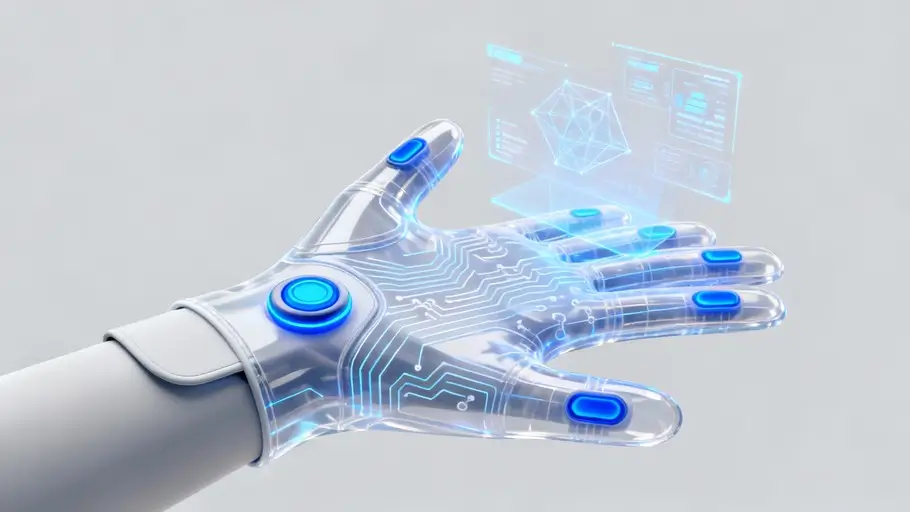
A wearable device for anxiety is quickly becoming one of the most practical tools for people looking to manage stress, regulate emotions, and improve overall mental well-being—without relying solely on medication.
Unlike traditional anxiety management methods, modern wearables use real-time biometric data such as heart rate variability (HRV), skin temperature, breathing patterns, and sleep quality to help users recognize anxiety triggers and respond proactively.
As anxiety disorders continue to rise globally, wearable technology is emerging as a non-invasive, data-driven solution for everyday mental health support. (vagus nerve stimulation devices)
👉 Amazon linke : If you purchase through our recommended links, we may earn a small commission at no extra cost to you.
Table of Contents
What Is a Wearable Device for Anxiety?
A wearable device for anxiety is a compact, body-worn technology designed to monitor physiological stress signals and guide users toward calming responses such as controlled breathing, relaxation exercises, or nervous-system regulation.
These devices are commonly worn as:
- Wristbands or smartwatches
- Neck or chest wearables
- Rings or discreet biofeedback devices
Unlike basic fitness trackers, anxiety wearables focus on mental and emotional health, not just physical activity.
How Anxiety Wearables Actually Work
Most anxiety monitoring wearables operate using biofeedback loops:
- The device detects stress indicators (elevated heart rate, low HRV, shallow breathing).
- The system interprets this data using smart algorithms.
- The wearable prompts calming actions such as:
- Guided breathing
- Vagus nerve stimulation
- Mindfulness reminders
- Gentle vibrations or visual cues
Over time, users learn to recognize anxiety patterns and regulate stress before it escalates.
Key Sensors Used in Wearable Anxiety Devices
A high-quality wearable device for anxiety typically includes:
● Heart Rate Variability (HRV) Sensors
Low HRV is strongly linked to chronic stress and anxiety.
● Electrodermal Activity (EDA) Sensors
Measure subtle changes in skin conductance related to emotional arousal.
● Respiratory Monitoring
Tracks breathing rhythm to detect panic-like patterns.
● Sleep & Recovery Tracking
Poor sleep often worsens anxiety—wearables help identify these cycles.
Benefits of Using a Wearable Device for Anxiety
Using a wearable device for anxiety offers several practical benefits:
- Real-time anxiety awareness
- Non-drug stress management support
- Improved emotional regulation
- Better sleep quality
- Increased mindfulness through data
- Discreet and easy daily use
These devices empower users to take control of anxiety rather than react to it.
Limitations and Safety Considerations
While helpful, anxiety wearables are not medical diagnostic tools.
Important limitations include:
- Not a replacement for therapy or psychiatric care
- Accuracy varies by device and user
- Some users may become overly focused on data
According to mental health research institutions, wearable technology should be used as a support tool, not a sole treatment approach. (biohacking with wearable tech)
Wearable Devices vs Traditional Anxiety Management
| Method | Pros | Cons |
|---|---|---|
| Therapy | Deep, personalized | Time & cost |
| Medication | Fast relief | Side effects |
| Meditation | Effective long-term | Requires discipline |
| Wearable device for anxiety | Real-time, non-invasive | Not diagnostic |
The most effective approach often combines therapy + lifestyle changes + wearable support.
Who Should Use a Wearable Device for Anxiety?
A wearable anxiety relief device may be helpful for:
- Professionals with high stress levels
- Students facing performance anxiety
- People with mild to moderate anxiety
- Individuals seeking drug-free support
- Biohacking and wellness enthusiasts
It is especially useful for people who want daily feedback without clinical intervention.
The Future of Wearable Technology for Anxiety
The next generation of anxiety wearables will likely include:
- AI-driven emotional prediction
- Personalized nervous-system coaching
- Integration with digital therapy platforms
- Smarter sleep-stress recovery models
As mental health awareness grows, wearable devices for anxiety are expected to become mainstream wellness tools rather than niche gadgets.

Recommended Wearable Device for Anxiety
Pulsetto Vagus Nerve Stimulator
This wearable device for anxiety focuses on vagus nerve stimulation, helping calm the nervous system naturally.
Key Features:
- Non-invasive vagus nerve activation
- Guided sessions via mobile app
- Stress and sleep support
- No medication or subscription required
👉 Amazon linke : If you purchase through our recommended links, we may earn a small commission at no extra cost to you.
Suggested:
Biohacking with Wearable Tech: Optimize Your Mind and Body
Wearable Wellness Devices: Your Next-Level Fitness Companion
Smart Health Applications: Revolutionizing Personal Wellness
Resources:
National Institute of Mental Health (NIMH) – anxiety research
Cleveland Clinic – stress and HRV science
Harvard Medical School – biofeedback and anxiety regulation
Final Thoughts
A wearable device for anxiety is not a cure—but it is a powerful daily companion for stress awareness, emotional regulation, and mental wellness.
As wearable technology evolves, these devices will play an increasingly important role in preventive mental health care, offering users insight, control, and calm in a fast-paced world.
FAQ – Wearable Device for Anxiety
Q1: Can a wearable device for anxiety really reduce stress?
Yes, many devices help users manage stress through biofeedback and guided relaxation, though results vary by individual.
Q2: Are anxiety wearables safe to use daily?
Most are safe for everyday use, but they should not replace professional mental health care.
Q3: Do wearable anxiety devices use AI?
Some advanced models use smart algorithms to analyze stress patterns and personalize feedback.
Q4: Can a wearable device diagnose anxiety disorders?
No. These devices are not diagnostic tools and should not be used for medical diagnosis.
Q5: Who should avoid anxiety wearables?
Individuals with severe anxiety or medical conditions should consult a healthcare professional first.
Pingback: AI Fitness & Health Wearables: How It Actually Works in 2026 Smarter Tracking, Better Results
Pingback: Best Non-Invasive Wearable Diabetes Monitors (2026): Glucose Tracking Without Needles
Pingback: Best Pregnancy Wearable Devices 2026: Smart Health Tracking
Pingback: Wearable Wellness Devices for Next-Level Fitness
Pingback: Wearable Sleep Technology 2026: How Smart Devices Improve Sleep, Health & Recovery