
Table of Contents
Introduction
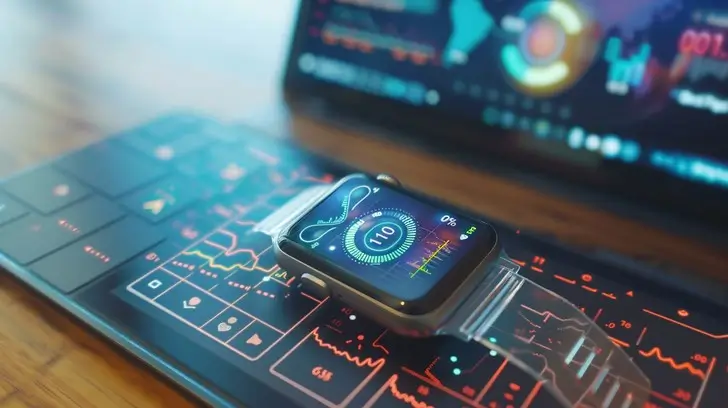
Wearable devices have become an essential part of modern wellness. From smartwatches and fitness trackers to health rings and sleep monitors, these devices continuously collect sensitive health information such as heart rate, sleep patterns, activity levels, and even stress data.
But as wearables grow smarter, an important question arises: how safe is your personal health data?
Understanding wearable health data privacy is no longer optional-it’s essential for anyone using smart health technology.
This guide explains how wearable devices collect, store, and protect your health data, what risks exist, and what users should know before trusting a device with their most personal information.
Wearable health data privacy has become a critical concern as wearable devices turn into essential tools for modern wellness.
What Health Data Do Wearable Devices Collect?
Modern wearables collect far more than basic step counts. Common data types include:
- Heart rate and heart rate variability
- Sleep duration and sleep stages
- Physical activity and calories burned
- Blood oxygen (SpO₂) levels
- Stress and recovery metrics
- Location and movement patterns
Some advanced devices even track ECG signals, skin temperature, and breathing rates.
This volume of information is what makes wearables powerful—but also what raises privacy concerns.
One standout option in 2026 is the Renpho Smart Scale, known for its balance of price, features, and reliable health metrics.
Who Owns Wearable Health Data?
One of the biggest misconceptions is that users automatically own all wearable data.
In reality, data ownership depends on the company’s privacy policy and terms of service. Some manufacturers claim broad rights to store, analyze, and anonymize user data for research or product improvement.
If you want a deeper explanation of data ownership and user rights, read:
👉 Who Owns Wearable Health Data?
Understanding ownership is the first step toward protecting yourself.
How Wearable Devices Store Health Data
Wearable data is rarely stored only on the device itself. Most systems use a combination of:
- Local device storage
- Smartphone apps
- Cloud-based servers
Data is often transmitted automatically to cloud platforms for analysis, backups, and insights. While encryption is commonly used, storage methods vary widely between brands.
For a technical breakdown of cloud storage and security methods, see:
👉 How Wearable Devices Store Health Data
Wearable Data Security Risks You Should Know
No system is completely immune to risk. Wearable health data can be vulnerable to:
- Data breaches
- Weak account passwords
- Insecure third-party app integrations
- Poor encryption standards
Even anonymized data can sometimes be re-identified when combined with other information.
Understanding wearable health data privacy helps users make informed decisions about which devices to trust with sensitive personal information
To understand real-world threats and how users can reduce risk, read:
👉 Wearable Data Security Risks Explained
Can Insurance or Employers Access Wearable Data?
This is one of the most sensitive privacy questions.
In most cases, insurance companies cannot directly access your wearable data without consent. However, some wellness programs encourage users to share data voluntarily in exchange for incentives.
Employers may also offer fitness programs linked to wearables, which raises ethical and legal concerns.
A full explanation is available here:
👉 Can Insurance Companies Access Wearable Health Data?
Is Wearable Health Data Accurate Enough to Trust?
Privacy concerns become even more important when data influences real-life decisions.
While wearables are improving rapidly, they are not medical devices in most cases. Accuracy can vary based on sensor quality, skin type, movement, and algorithms.
Before relying on wearable data for health decisions, it’s essential to understand its limitations. Learn more here:
👉 Is Wearable Health Data Accurate Enough for Medical Use?
How Users Can Protect Their Wearable Health Data
You don’t need to stop using wearables to stay safe. Simple steps can significantly reduce risk:
- Use strong, unique passwords
- Enable two-factor authentication
- Review app permissions regularly
- Avoid unnecessary third-party integrations
- Read privacy policies before purchasing devices
Being informed is the strongest layer of protection.
The Future of Wearable Health Data Privacy
As AI-powered health insights and predictive analytics grow, wearable data will become even more valuable-and more sensitive.
Future regulations, improved encryption, and transparent data policies will play a critical role in protecting users while allowing innovation to continue.
Wearable technology is here to stay, but privacy awareness must evolve alongside it.
According to privacy guidelines published by the U.S. Federal Trade Commission (FTC), companies collecting health data must clearly disclose how user information is stored and shared.

Final Thoughts
Wearable devices offer incredible benefits for fitness, wellness, and long-term health tracking. However, understanding wearable health data privacy is essential to using these tools responsibly.
By knowing what data is collected, how it’s stored, and who can access it, users can enjoy the advantages of smart health technology without sacrificing control over their personal information.
As wearable technology evolves, wearable health data privacy will remain a key factor in building trust between users and smart health platforms.
Pingback: Who Owns Wearable Health Data? User Rights Explained Clearly
Pingback: How Wearable Devices Store Health Data (2026): From Sensors to Secure Cloud Storage
Pingback: Wearable Data Security Risks Explained (2026): What Smart Device Users Must Know
Pingback: Can Insurance Companies Access Wearable Health Data? What Users Must Know in 2026
Pingback: Is Wearable Health Data Accurate Enough for Medical Use? What Science Says in 2026