
Table of Contents
Introduction:s: Why Wearable Sleep Technology Matters in 2026
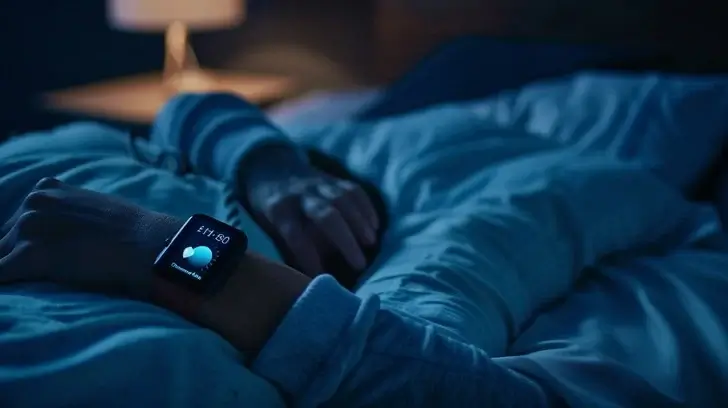
Wearable sleep technology has become one of the most powerful tools for improving health, recovery, and daily performance in 2026. Poor sleep is now directly linked to stress, weight gain, weakened immunity, and reduced cognitive function. As people seek smarter, non-invasive solutions, wearable sleep technology offers real-time insights that were once only available in sleep labs.
Unlike guesswork or generic advice, wearable sleep technology provides personalized data, helping users understand how and why they sleep the way they do-and how to improve it.
👉 Ready to explore the best sleep wearables?
Check trusted, top-rated sleep tracking devices on Amazon and choose the one that fits your lifestyle and health goals.
What Is Wearable Sleep Technology?
Wearable sleep technology refers to smart wearable devices designed to monitor, analyze, and improve sleep quality. These devices are typically worn on the wrist, finger, or chest and use advanced sensors to track sleep patterns overnight.
Common examples include:
- Smart rings
- Fitness trackers
- Smartwatches
- Wrist pulse oximeters
All wearable sleep technology devices focus on delivering actionable sleep insights rather than just tracking duration.
How Wearable Sleep Technology Works
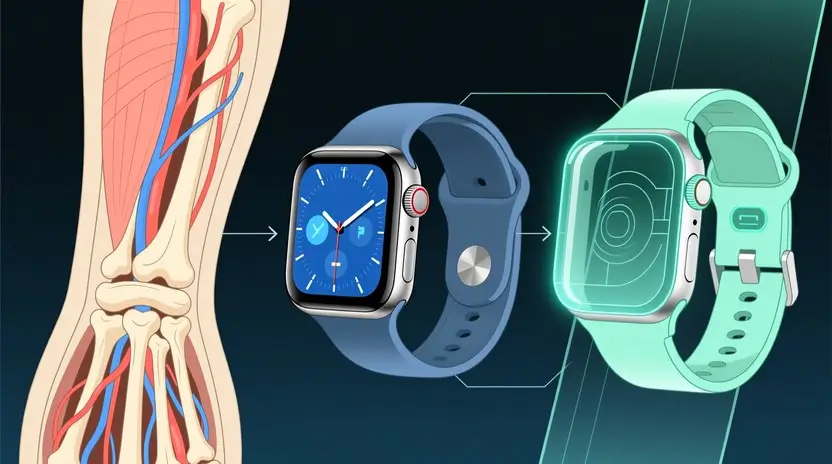
Wearable sleep technology uses a combination of:
- Accelerometers (movement detection)
- Optical heart rate sensors
- Blood oxygen (SpO₂) sensors
- Skin temperature sensors
- AI-powered sleep algorithms
By analyzing these signals, wearable sleep technology identifies sleep stages such as light sleep, deep sleep, and REM sleep, then converts raw data into easy-to-understand reports.
Key Sleep Metrics Tracked by Wearable Sleep Technology
Modern wearable sleep technology tracks much more than sleep hours:
- Sleep duration
- Sleep stages (REM, Deep, Light)
- Heart rate variability (HRV)
- Blood oxygen levels
- Respiratory rate
- Sleep consistency
- Sleep efficiency
These metrics help users identify sleep disruptions caused by stress, poor habits, or health conditions.
Types of Wearable Sleep Technology Devices
There are several categories of wearable sleep technology available in 2026:
1. Smart Rings
Compact, lightweight, and highly accurate. Popular for continuous sleep tracking without discomfort.
2. Smartwatches & Fitness Trackers
Offer sleep tracking alongside activity, fitness, and health monitoring.
3. Wrist Pulse Oximeters
Focus on oxygen saturation and breathing patterns, ideal for detecting sleep-related breathing issues.
4. Specialized Sleep Wearables
Devices designed exclusively for sleep monitoring and optimization.
You can explore related devices in our guide on 👉 Wearable Blood Pressure Monitor to understand how nighttime vitals affect sleep health.
Benefits of Using Wearable Sleep Technology
Using wearable sleep technology delivers measurable benefits:
- Improved sleep awareness
- Better recovery for athletes
- Reduced stress and fatigue
- Early detection of sleep issues
- Personalized bedtime recommendations
Research from organizations like the National Sleep Foundation confirms that consistent sleep tracking improves long-term sleep habits.
Accuracy: Can You Trust Wearable Sleep Technology?
A common concern is accuracy. While wearable sleep technology is not a replacement for clinical sleep studies, it has become highly reliable for trend tracking.
According to studies referenced by Harvard Medical School, modern wearables achieve strong accuracy for sleep duration and consistency, especially when used long-term.
The key is not perfection—but patterns.
Wearable Sleep Technology vs Traditional Sleep Studies
| Feature | Wearable Sleep Technology | Sleep Lab Study |
|---|---|---|
| Cost | Affordable | Expensive |
| Comfort | Home-based | Clinical |
| Duration | Long-term | 1–2 nights |
| Insights | Trends & habits | Diagnosis |
Wearable sleep technology excels at everyday optimization, while labs are best for medical diagnosis.
👉 Ready to explore the best sleep wearables?
Check trusted, top-rated sleep tracking devices on Amazon and choose the one that fits your lifestyle and health goals.
Who Should Use Wearable Sleep Technology?
Wearable sleep technology is ideal for:
- Busy professionals
- Athletes & fitness enthusiasts
- Seniors monitoring health
- People with stress or anxiety
- Anyone struggling with poor sleep quality
👉 See how stress affects sleep in Wearable Device for Anxiety.
Limitations and Common Myths
Despite its benefits, wearable sleep technology has limitations:
- Not a medical diagnostic tool
- Accuracy varies by device
- Can cause overthinking if misused
Myth: “Wearable sleep technology fixes sleep automatically.”
Reality: It provides data—you improve habits.
How to Choose the Right Wearable Sleep Technology
When selecting wearable sleep technology, focus on:
- Comfort for overnight wear
- Battery life
- Sensor quality
- App insights
- Long-term data trends
Avoid choosing solely based on brand hype.
Future Trends in Wearable Sleep Technology
By 2030, wearable sleep technology will integrate:
- AI-powered sleep coaching
- Smart home sleep environments
- Predictive health alerts
- Personalized circadian rhythm tuning
Sources like MIT Technology Review predict wearables will become central to preventive health.
Is Wearable Sleep Technology Worth It?
Yes—if used correctly.
Wearable sleep technology is worth it for users who:
- Want data-driven improvement
- Track progress consistently
- Use insights to adjust habits
It is not a miracle cure—but it is one of the most powerful self-health tools available today.
Frequently Asked Questions (FAQs)
1. Is wearable sleep technology safe?
Yes, it is non-invasive and safe for daily use.
2. Can wearable sleep technology detect sleep apnea?
It can indicate risk, but diagnosis requires medical testing.
3. How long before results improve?
Most users see insights within 7–14 days.
4. Do I need a subscription?
Some devices require subscriptions for advanced insights.
5. Is wearable sleep technology accurate for REM sleep?
Accuracy is improving significantly with AI algorithms.
Final Verdict
Wearable sleep technology is transforming how people understand and improve sleep in 2026. By combining smart sensors, AI analysis, and personalized insights, these devices empower users to take control of their health—starting with better sleep.
👉 Ready to explore the best sleep wearables?
Check trusted, top-rated sleep tracking devices on Amazon and choose the one that fits your lifestyle and health goals.
Pingback: Sleep Tracking Accuracy: How Accurate Are Wearable Devices Really in 2026?
Pingback: Wearable Sleep Sensors Accuracy (2026): How Smart Sensors Track Sleep More Precisely
Pingback: Non-Invasive Health Monitoring Wearables (2026): How Smart Devices Track Health Without Needles
Pingback: Can Wearable Data Be Used for Medical Diagnosis? Legal & Clinical Reality Explained
Pingback: Medical Grade Wearables: How Accurate Are FDA-Cleared Health Devices in 2026?
Pingback: Baby Watch Devices: Smart Wearables for Infant Sleep, Breathing & Safety Monitoring (2026 Guide)