
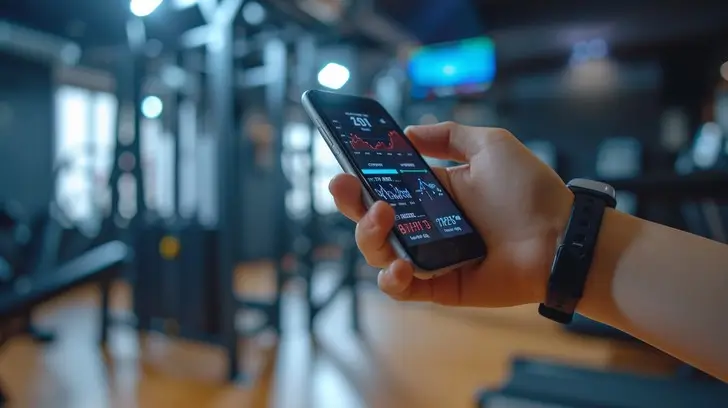
Wearable technology for athletes has completely transformed how professionals and serious amateurs train, recover, and optimize performance. What was once limited to simple step counters has evolved into advanced systems capable of tracking heart rate variability, oxygen saturation, sleep quality, muscle load, and even injury risk.
Today, athletes don’t train harder – they train smarter, guided by real-time biometric data.
Table of Contents
What Is Wearable Technology for Athletes?
Wearable technology for athletes refers to electronic devices worn on the body that collect physiological and movement data during training, competition, and recovery.
Unlike consumer fitness trackers, athlete-focused wearables are designed to deliver performance-critical insights, such as:
- Training load
- Cardiovascular stress
- Recovery readiness
- Sleep efficiency
- Movement efficiency
These devices are commonly worn as watches, chest straps, arm bands, rings, or embedded sensors.
Why Athletes Rely on Wearable Technology
Modern athletes face a constant balance between performance gains and overtraining risk. Wearable technology helps bridge that gap by offering: (AI fitness and performance tracking
Data-Driven Training Decisions
Instead of guessing when to push or rest, athletes rely on metrics like HRV and resting heart rate to guide intensity.
Personalized Performance Optimization
No two athletes respond the same way to training. Wearables adapt insights based on individual physiology.
Competitive Advantage
Elite teams and individuals use wearable tech to identify small performance improvements that create big results.
Core Metrics That Matter in Sports Performance
Heart Rate & Heart Rate Variability (HRV)
HRV is one of the most important indicators of recovery and nervous system balance. Low HRV may signal fatigue or overtraining.
Oxygen Saturation (SpO₂)
Useful for endurance athletes and altitude training, helping monitor oxygen efficiency.
Sleep Quality & Recovery
Sleep stages, duration, and consistency strongly influence muscle repair and performance readiness.
Movement & Load Analysis
Advanced athlete wearables track:
- Cadence
- Impact force
- Acceleration
- Symmetry
These metrics help identify inefficiencies and injury risks.
Wearable Technology for Training Optimization
Wearable technology for athletes plays a central role in structured training plans:
- Monitoring intensity zones
- Preventing chronic fatigue
- Adjusting volume and load
- Tracking long-term performance trends
Coaches increasingly integrate wearable data into periodization strategies, especially in endurance sports, football, basketball, and cycling. (best wearable fitness trackers 2026 )
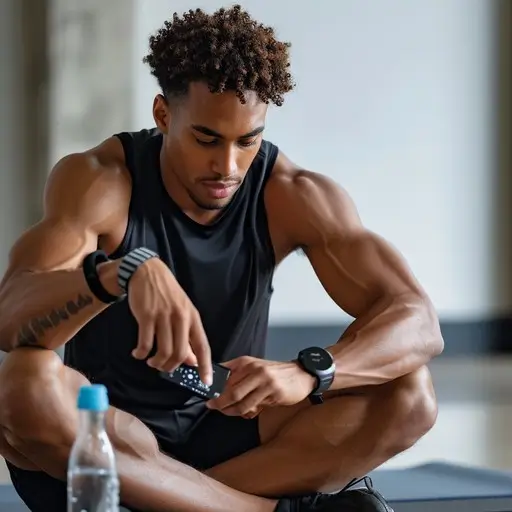
Recovery & Injury Prevention Wearables
One of the most valuable applications of athlete wearables is injury prevention.
Wearable technology can:
- Detect abnormal movement patterns
- Identify insufficient recovery
- Flag rising injury risk through fatigue markers
This is especially important for high-impact sports where overuse injuries are common.
📌Wearable Wellness Devices: Your Next-Level Fitness Companion
Limitations and Accuracy Considerations
Despite major advancements, wearable technology for athletes is not medical-grade.
Key limitations include:
- Sensor placement variability
- Motion artifacts during intense activity
- Differences between brands and algorithms
For this reason, wearable data should support decisions, not replace professional medical or coaching guidance.
🔗 Resource:
American College of Sports Medicine – Wearable Technology in Sports Performance
The Future of Wearable Technology in Sports
The next generation of wearable technology for athletes will focus on:
- AI-driven performance predictions
- Injury risk forecasting
- Muscle oxygen monitoring
- Smart textiles and embedded sensors
According to industry research, the global sports wearable market is expected to grow rapidly as professional and amateur athletes increasingly rely on data-driven training. (ankle resistance bands review)
🔗 Resource:
Journal of Sports Sciences – Wearable Sensors in Elite Sports
Who Should Use Athlete Wearables?
Wearable technology for athletes is ideal for:
- Competitive athletes
- Semi-professional sports players
- Endurance athletes
- Strength and conditioning programs
- Data-driven fitness enthusiasts
Even recreational athletes benefit when wearables are used with proper interpretation.
Biohacking with Wearable Tech: Optimize Your Mind and Body
Smart Fitness Guide: Gadgets, Watches & Tech for a Healthier You
Final Thoughts
Wearable technology for athletes is no longer optional — it’s a core performance tool. When used correctly, it enhances training efficiency, accelerates recovery, and reduces injury risk.
The key is understanding the data, respecting recovery signals, and integrating insights into a smart training strategy. (heart rate monitor chest strap review)
FAQ – Wearable Technology for Athletes
1. What is wearable technology for athletes used for?
Wearable technology for athletes is used to track performance metrics such as heart rate, HRV, sleep quality, training load, recovery status, and movement efficiency to improve training decisions and reduce injury risk.
2. Are athlete wearables accurate enough for professional training?
Most athlete-focused wearables provide highly reliable trend data for training and recovery, but they are not medical-grade. They should support coaching and performance decisions, not replace professional assessment.
3. Which sports benefit most from wearable technology?
Endurance sports (running, cycling, swimming), team sports (soccer, basketball), and strength training all benefit significantly from wearable technology for athletes due to load and recovery monitoring.
4. Can wearable technology help prevent sports injuries?
Yes. By monitoring fatigue, recovery readiness, movement patterns, and training intensity, wearables help athletes identify overtraining risks and adjust workloads before injuries occur.
5. Do athletes need multiple wearables for better results?
Not necessarily. One high-quality wearable can provide sufficient insights, but some athletes combine devices (e.g., smartwatch + chest strap) for more precise performance data.
Pingback: Best Wearable Sleeping Bags (2026): Hands-Free Comfort for Sleep, Travel & Camping
Pingback: Smart Clothing Health: The Future of Wearable Wellness 2026